

In this modern gaming world, what we don’t have enough of is characters. Not in the games. We’ve got plenty of those. Even if they are the usual archetypes: young ladies with bow and arrows, muscular men with swords and whatever John Protagonist fella that Ubisoft wants to put in its latest open-world-’em- up. But what we’re talking about is the creators. Be it the ZX Spectrum’s Matt Smith (Manic Miner, Jet Set Willy), Nintendo’s Shigeru Miyamoto (back when he designed the likes of Donkey Kong) , Hideo Kojima (Metal Gear Solid), Sid Meier (Civilization), John Carmack/Jon Romero (Doom) or even Cliffy ‘CliffyB’ Bleszinski (Gears of War).
Thankfully, Romeo is a Dead Man is here and it signifies the return of one of gaming’s more quirky designers: Goichi Suda, best known as Suda51. This is his first major new IP in a while (No More Heroes sequels have kept him in the game, and he’s had a few executive credits on other games), and it’s definitely the exact sort of thing that you’d expect from the man. The action, the story and the design are all in his wheelhouse, but it’s quirkier than ever.
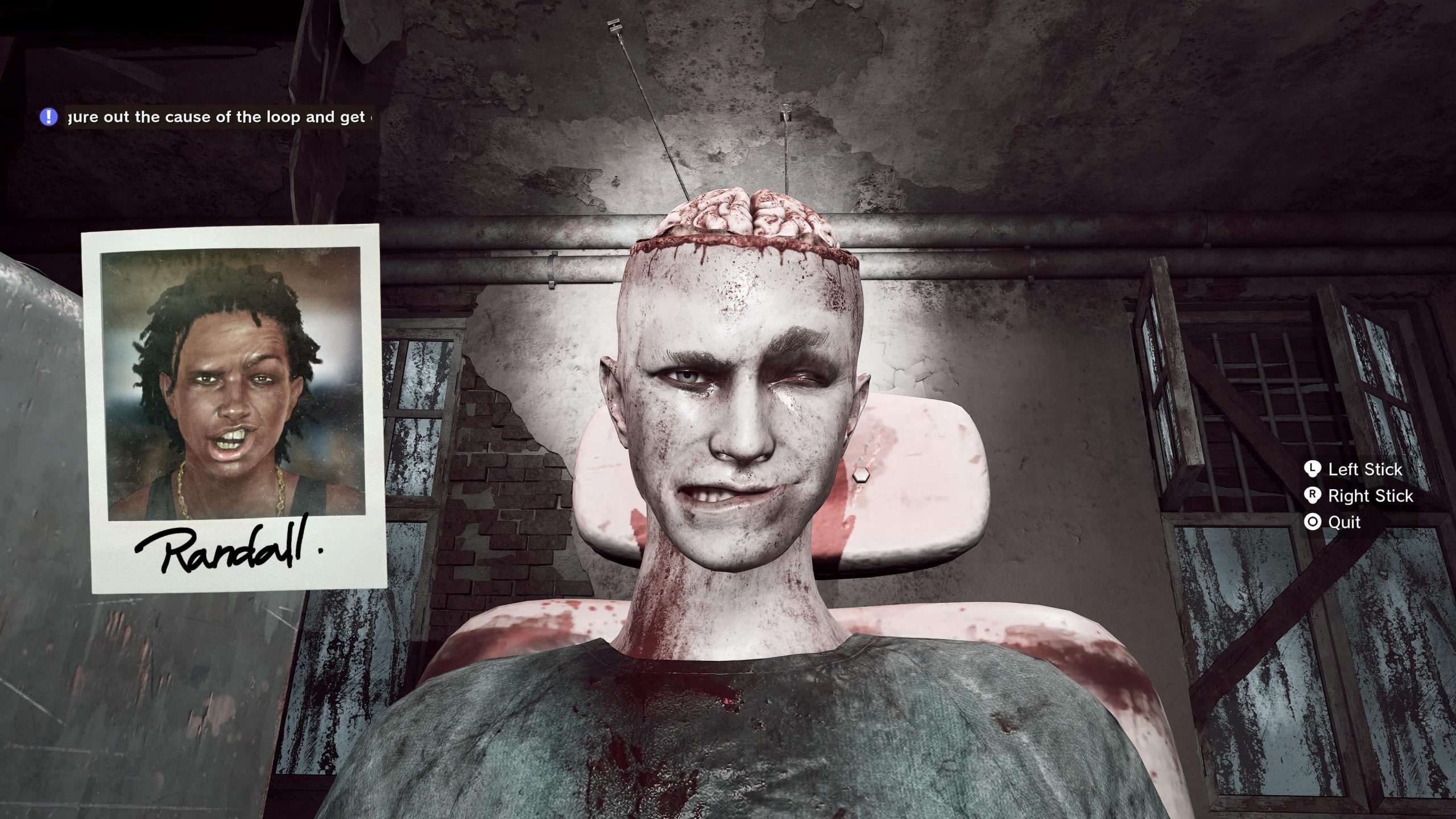
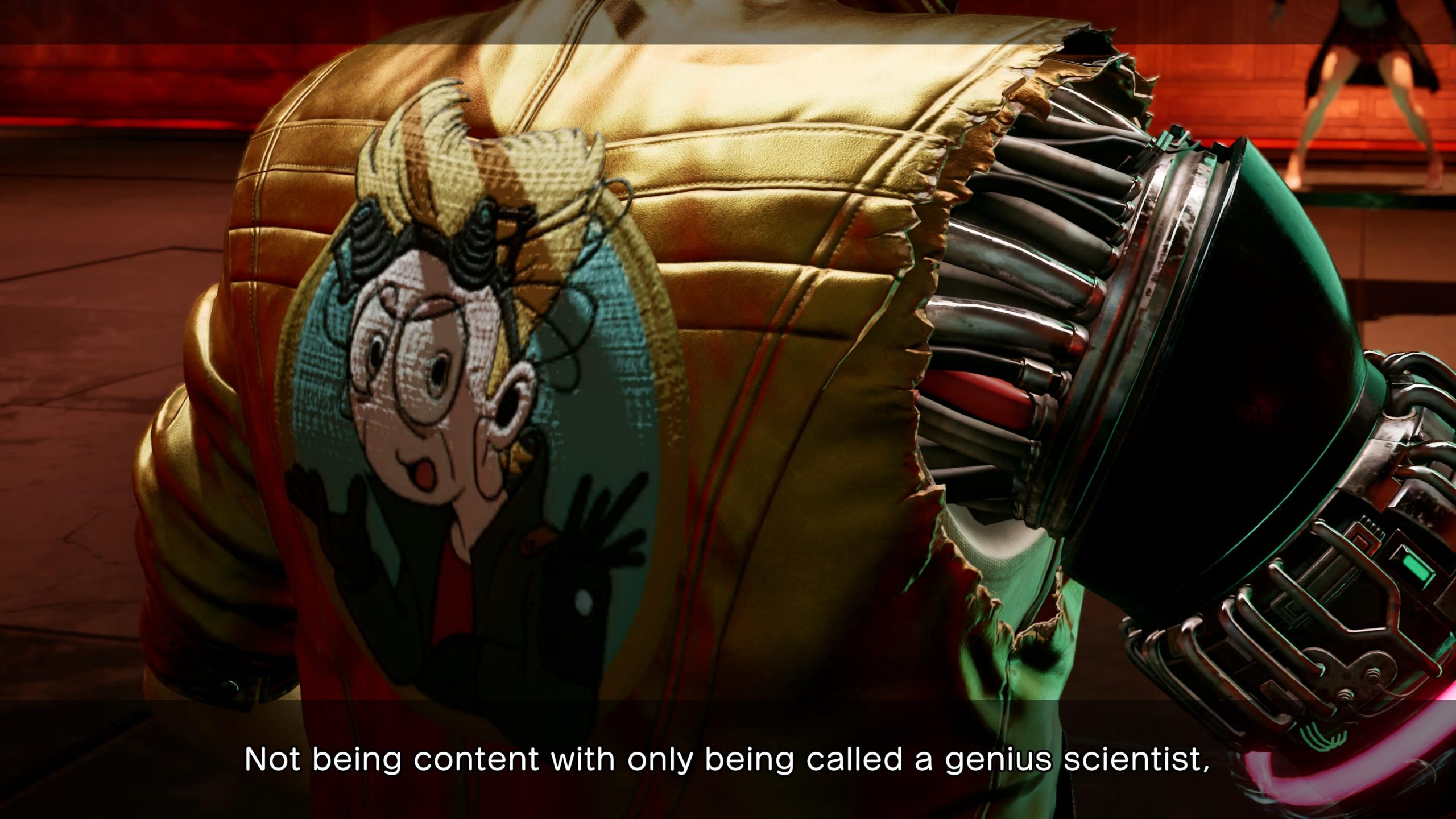
You play as Romeo Stargazer (yeah, really), a sheriff’s deputy who is fatally attacked by a zombie while out on the road. However, his grandfather time travels in and saves him from death using some wacky Rick and Morty-style tech to transform Romeo into a cyborg. He’s technically dead, but that’s not going to stop Romeo as he gets recruited by the FBI (well, the FBI’s Space-Time unit). This then begins a very strange plot where Romeo, now known as Dead Man, has to jump through time as he hunts his ex-girlfriend, Juliet, who keeps showing up in mad, mutated forms across various dimensions or something. Look, Romeo is a Dead Man is just like that. Barely comprehensible at times.
It’s a weird start in many ways. Aside from the story, which is barking mad, the presentation is off-kilter too. There are some brilliant intro videos, which are some of the best-presented parts of the game, with style shifts that go from comic book panels to Saturday morning cartoon animation to what looks like miniatures (buildings and vehicles) on actual film, and it all looks amazing. But, there’s a downside to all this, too. You get hit with a lot of story elements and just too much cutscene content before you even get to play anything, and even when you do get control, you’re constantly interrupted for a large part of the game’s opening hour.
a href=”https://www.playstationcountry.com/wp-content/uploads/2026/02/ROMEO-IS-A-DEAD-MAN_20260210221944-scaled.jpg”>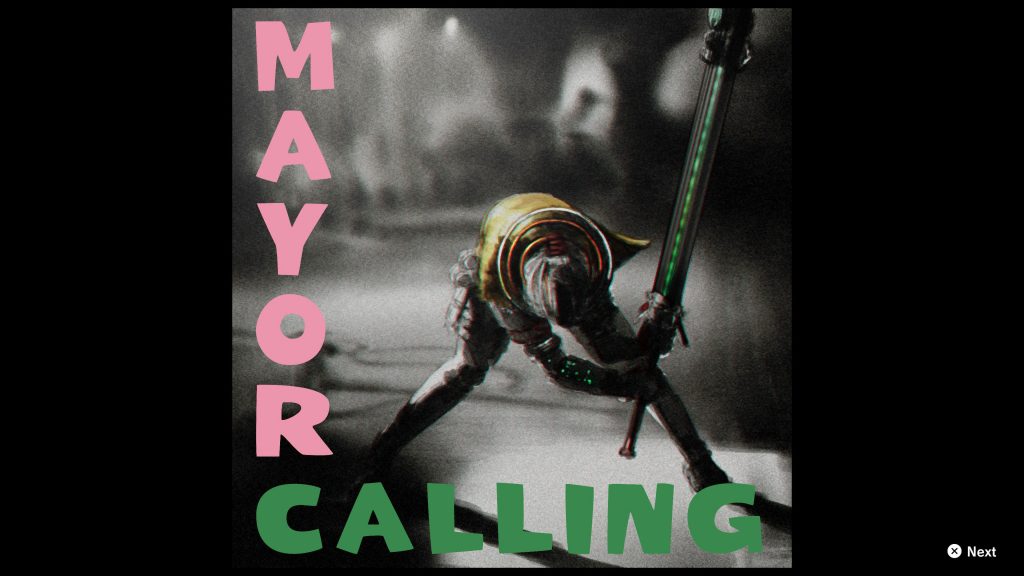
Eventually, though, the game settles down. Not permanently, Romeo is a Dead Man is like a child with progressive parents: quirky and interesting, maybe, but also hyperactive and unfocused, ready to explode with some sort of baffling, performative outburst and your feelings at any given point might go from being annoyed to being impressed depending on how close you are to it. If you’re a big Suda51 fan, then this game is like your favourite niece or nephew, but if you’re not, it can feel like being stuck on Christmas Day with your wife’s cousin’s kid.
When you get into a steady period of gameplay, things get even harder to judge. Here, the game is almost a little too traditional. It’s a third-person hack-and-slasher where you have light and heavy attacks that see Romeo spinning and striking like a lethal ballerina. Like any hack-and-slasher since the PS2 days, really.
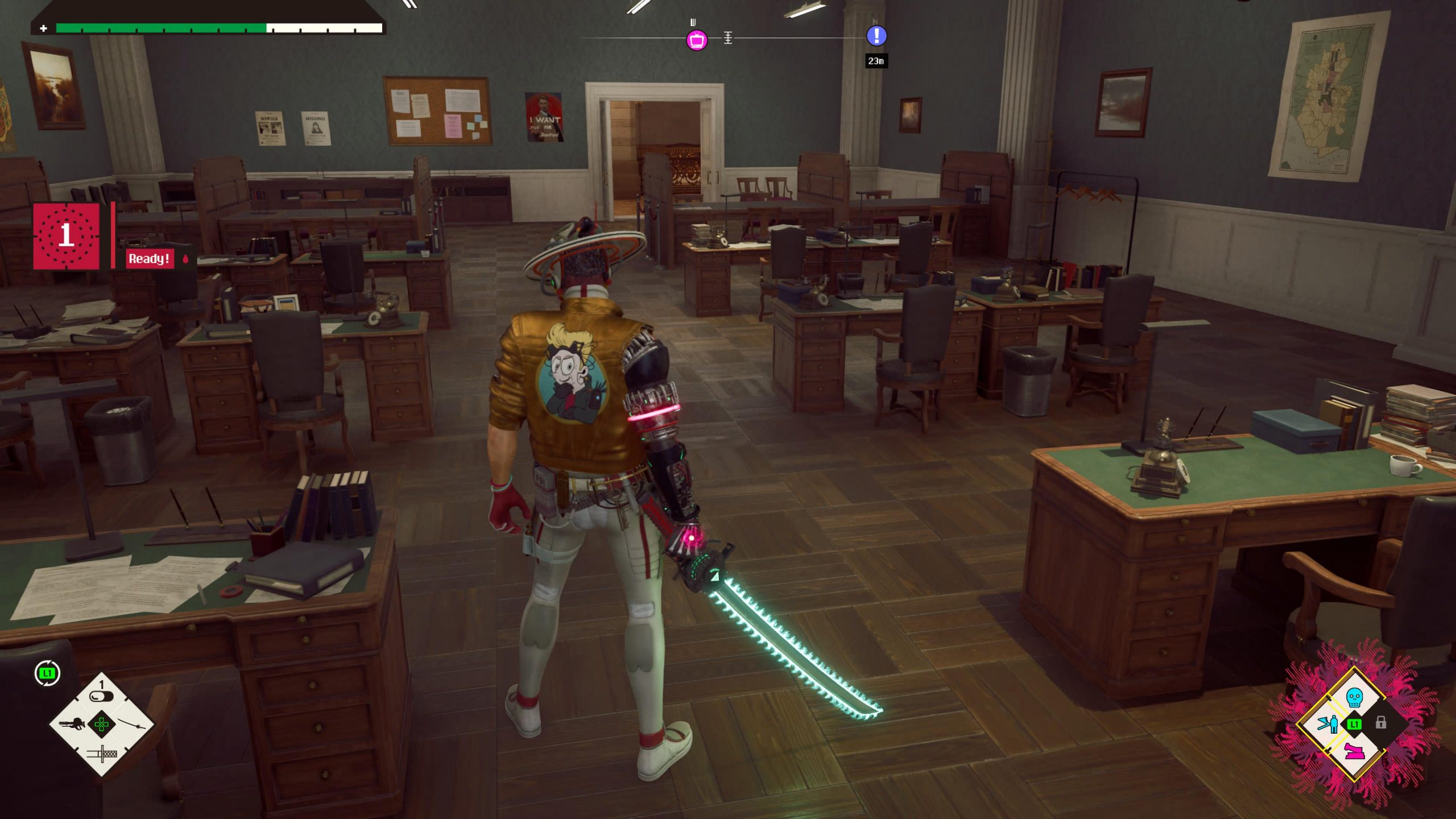
You’ll be mostly taking on zombies, known in the game as Bastards. These shamble around in groups and come in various forms. Some slow and weak, others fast and strong. Some try to eat you, others have ranged weapons. Their variation means that you do need to be a bit more tactical in your play. Simply bashing buttons will get you some of the way, but you’ll soon need to start refining your timing if you want to survive the bigger mobs.
It’s certainly playable enough, and there’s plenty of swoopy, particle-effect heavy visual flare to make it look more exciting, but Suda51 isn’t reinventing anything here. The core mechanics feel tried, tested and traditional. Especially if you’ve played some of his other games. For us, though, it kept reminding us of that old double-A-at-best game Onechanbara.
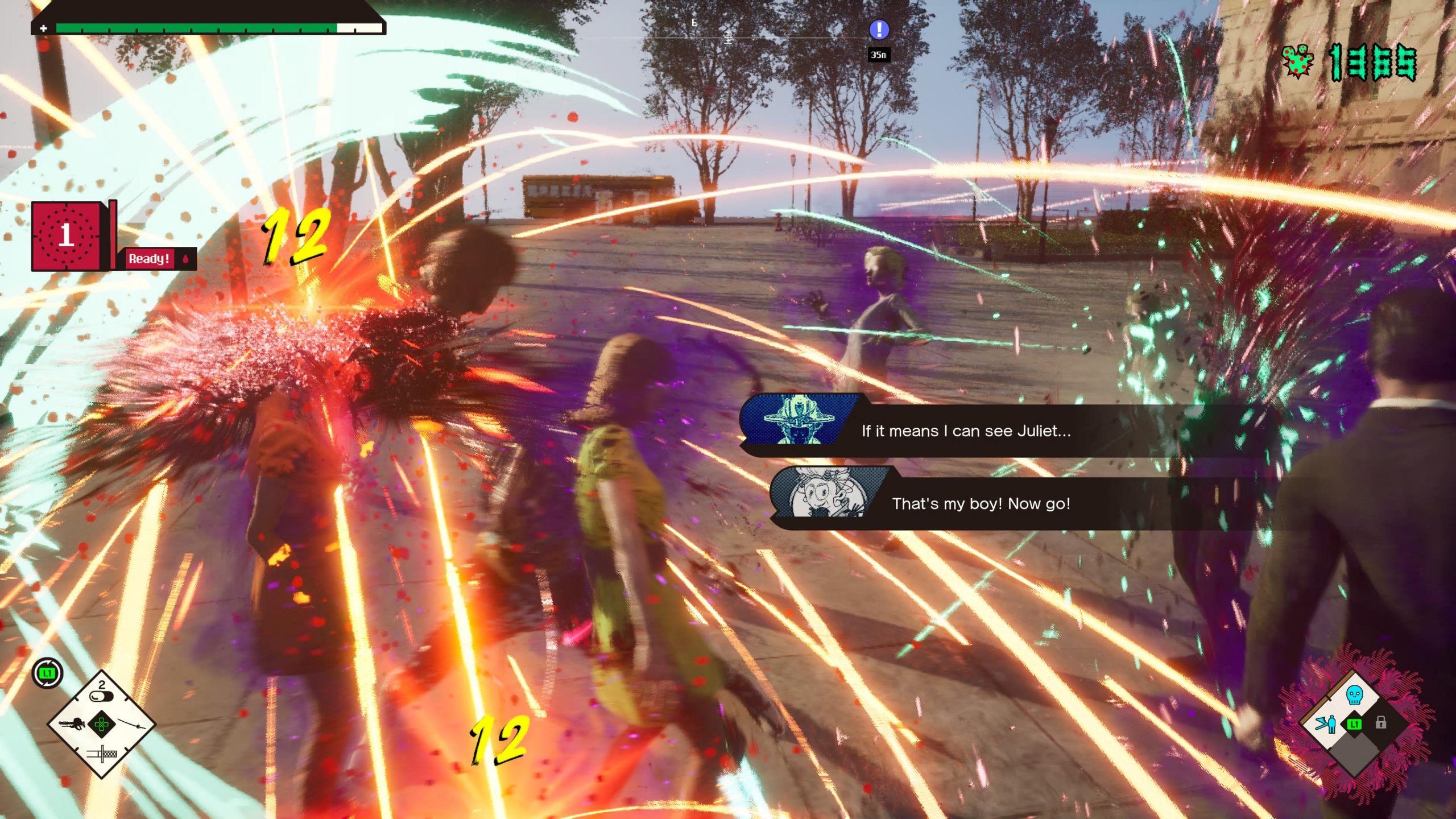
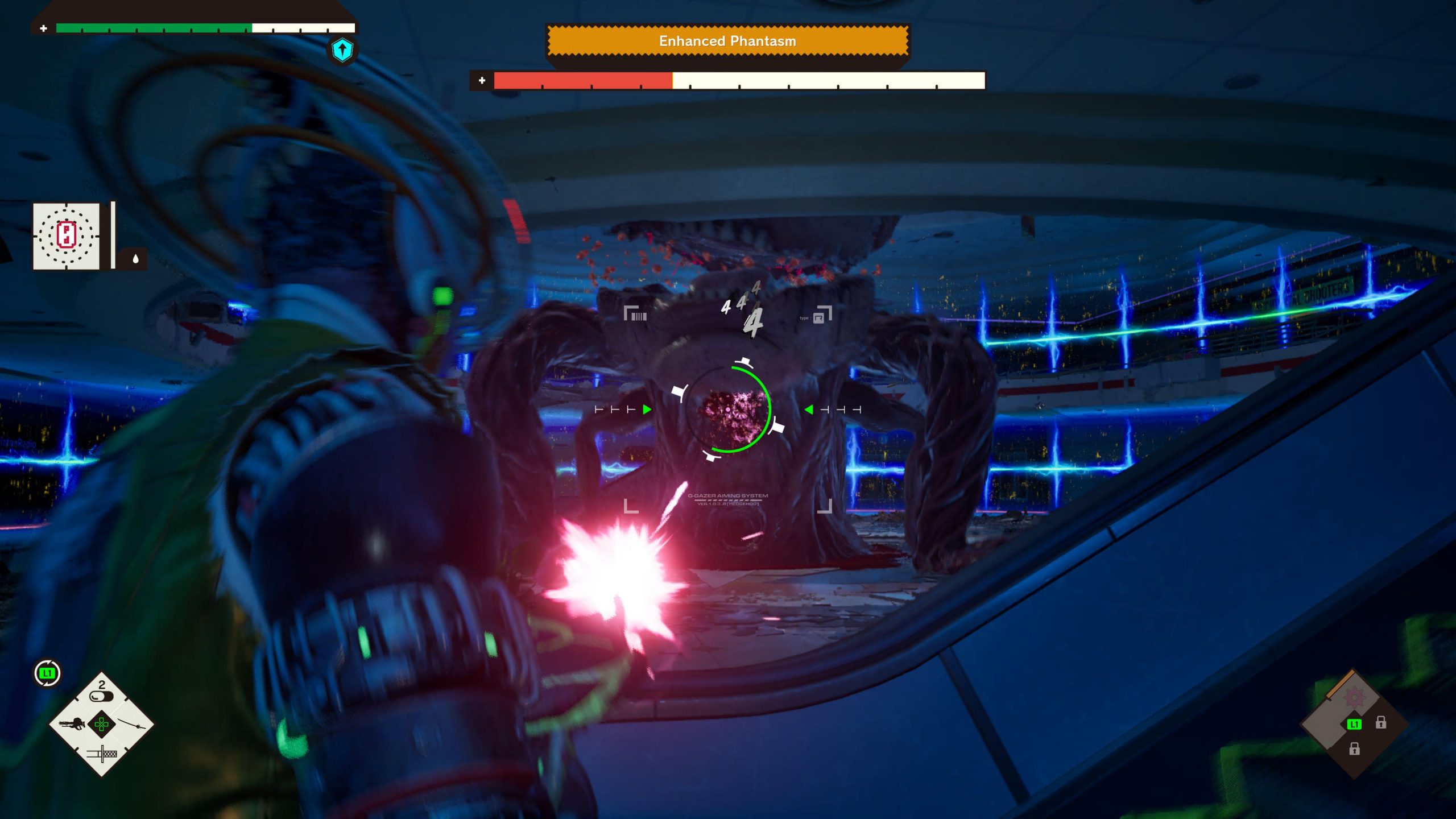
There are a few augmentations to it, though. You get a gun, which is pretty useful but less fun to use. Slow reload times and chip damage mean that it’s not the most efficient or enjoyable way to dispatch enemies. This is more of a problem during boss battles, where you often have to keep your distance, making these bullet-spongey foes a bit of an ordeal to beat.
Probably the more interesting idea is the idea of “Bastard Seeds,” which are little seed pods that drop from certain enemies and can be cultivated into little minions that you summon and will then either apply an attack of some sort or a defensive/healing boost to Romeo. They’re not the most powerful tool but in a game where surviving a boss is usually by the skin of your teeth, they’re a welcome addition.
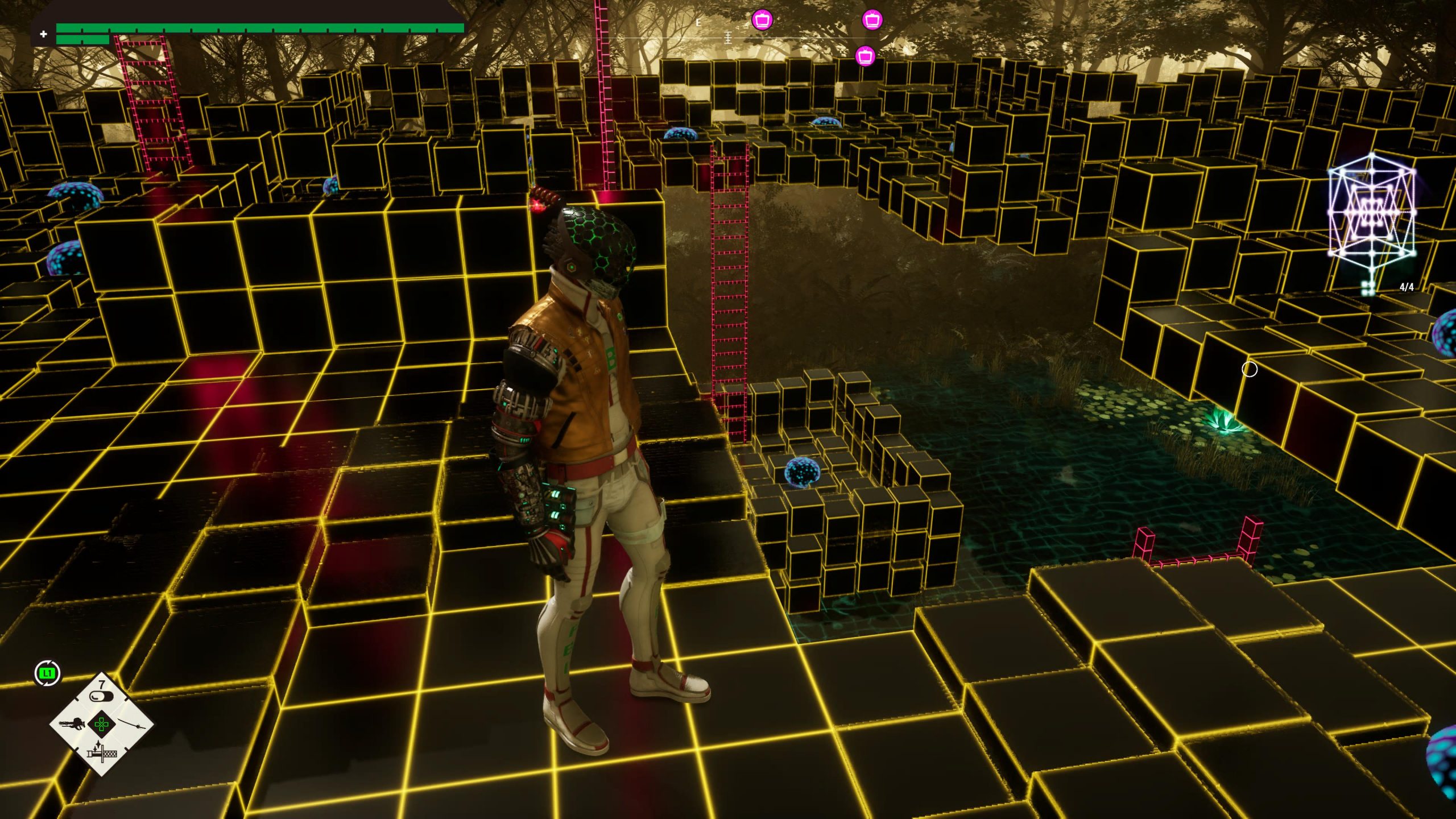
The game’s levels all play out in roughly the same way. You’ll have a large-ish area to run around in where you’ll need to complete some main task, but along the way, you’ll find yourself unable to get to your next objective. At this point, you’ll need to enter ‘Subspace’ via a television (Suda51!), and these areas act as hidden routes, almost like a sewer system, to let you get to other areas in the main part of the level. The issue is that it can all start to get a bit convoluted. The Subspace areas start to feel a bit maze-like and usually their walls rise up to meet you, so that you can’t always easily identify where you’re meant to be going. And it gets a lot worse later on when they introduce more verticality to these sections, compounding the confusion.
It’s more annoying than fun, especially if you happen to die during the process and then find yourself at the mercy of the game’s autosave system, which can sometimes be a bit mean with its checkpoints. Like the time I died fighting a boss and then found myself resurrected in the Subspace with no idea how far back it had sent me. Save often, that’s the advice, and you’ll need to find save points to do that, so if there’s one near a boss battle portal, use it before you jump in. And, amazingly, this situation gets worse.
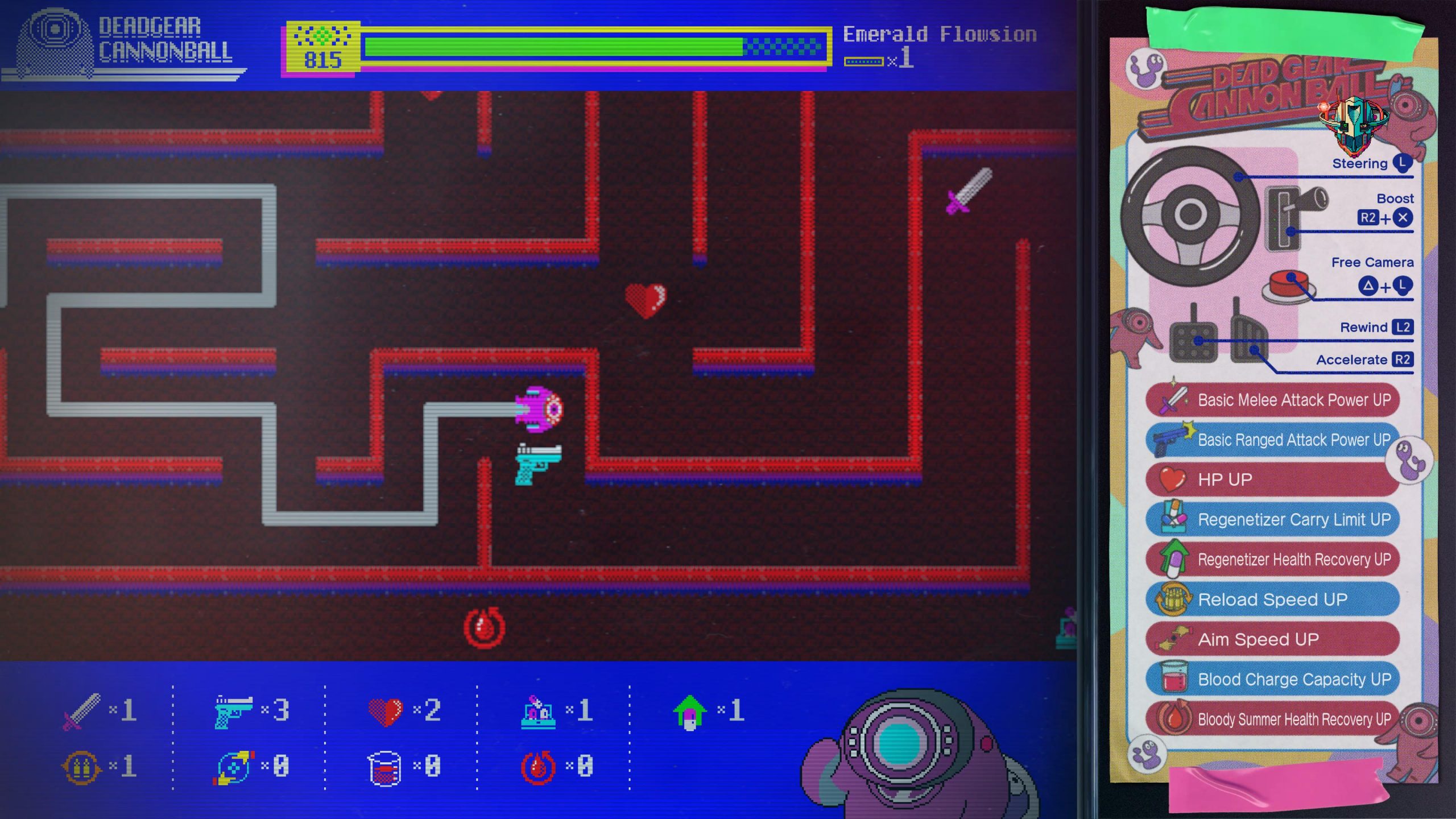
When you finish a level, you’ll be sent to The Last Night, the FBI’s spaceship, where you can rest, upgrade, cultivate Bastard Seeds, cook and chat to the rest of the team, and it’s all pretty curious because it’s presented in 16-bit style top-down graphics. The thing is, you can spend ages chatting to everyone and doing various tasks but, guess what, the game’s last save for you is still before that last boss battle. And these battles can be savage. So, don’t think you can just turn the game off after beating a chapter. Oh no, you’ll need to do all your mid-level chores and then start the next chapter, sit through whatever nonsense plot points it throws at you and then go and find a save point. But bear this in mind: the boss battles can be absolutely brutal. So yeah, look forward to that.
Each boss is really just a big enemy in a small arena, and so you’ll need to duck and dive while trying to attack from distance before occasionally venturing in to do damage with your sword. The problem is that sometimes they’ll just throw in a new attack that’s almost impossible to read and will just start doing constant damage to you. One boss in particular seemed to be able to one-shot me at will, which caused no end of frustration until I realised, somewhat by accident, that the post-death spinning wheel thing that usually gives temporary boosts to attack and defence was now dishing out revivals. And I needed those to be able to survive this boss’ cheap attacks. There may well be another way around it, but it was so unexplained, so unintuitive.
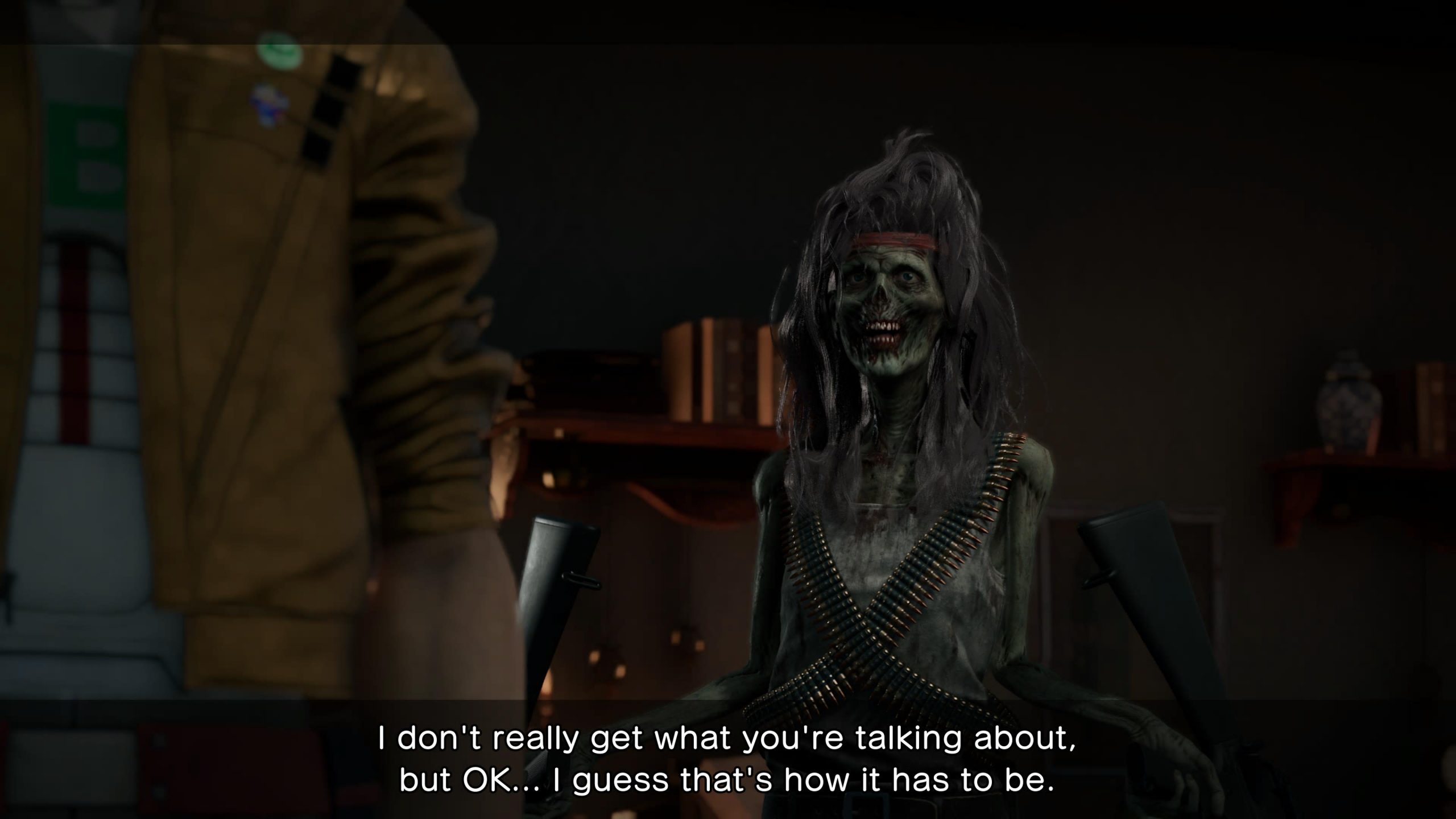
Romeo is a Dead Man does stuff like that. It’s annoying, like many modern games, in that there’s a lot to find out about, little game mechanics that are thrown in because just having a good action game isn’t enough anymore. You need to throw in things. The Bastard Seed stuff, cooking and other elements are included, despite not really having to be, and then explained via text boxes. The thing is, the game throws text boxes at everything. From important plot points to silly banter, from crucial gameplay information to utterly inane drivel. At one point, an NPC recalls an entire play that she saw. It takes far too long and is just there to be quirky. Like we said, performative. It’s all well and good throwing in bits of backstory to give the plot depth, but so much of what you read is unimportant.
The game gets in its own way. That’s the issue. The combat is okay, nothing special, but pretty decent and quite satisfying, especially each time you kill a boss, but it’s trapped behind PS2-era level design that’s never fun to navigate, and padded out with inane conversations. There’s so much wasted time and extra faff. Every time a new area loaded up, it didn’t feel like a place we wanted to explore, but rather a chore to suffer through so we could just get to the next fight.
And that was just to get the chapter over and done with, because most of them are far too long, considering that they’re all just doing the same thing. Well, apart from one that tries to add in some stealth and survival horror and ends up just feeling like one of the less acclaimed Silent Hill sequels.
The presentation is where Suda51’s personality shines through, though. The visuals are a mixed bag in many ways. It’s sometimes exciting and beautiful, and other times it’s bland. The design work is pretty good, especially some of the bosses, but the quality of graphics can be quite poor in the main gameplay parts with jagged textures, copy/pasted enemies and really low-quality shadows. It looks cheap at times, and the framerate can struggle to keep up, although the day-one patch did improve that a bit.
The audio is also a bit inconsistent. The voice acting is okay in that kind of camp-silly Resident Evil kind of way, but a lot of stuff isn’t narrated at all. The music is completely off-the-wall, veering from monged-out techno to bizarre nu-metal to uncomfortably pitchshifted jazz. It’s quite something, though.
But, overall, Romeo is a Dead Man is hard to sum up. Hence the wildly varying Metacritic scores. If you’re all in on Suda51, there’s a lot to like about the game. It’s got his signature style all over it. But there are many times when it’s just not fun. It’s a game where there’s too much forced wackiness and not enough in the way of quality-of-life features. A game where there’s a lot going on, but it’s all badly explained. A game where there’s more frustration than fun but yet there is fun to be had anyway. And while it does some things well, it does more things poorly. Who wants this kind of level design in 2026? Who wants a save system that lets you down more than it helps? We’re not sure even the most ardent Suda51 fan will enjoy those elements, no matter how much they enjoy the Suda51 silliness of it all.
+ Some of the quirky humour lands
+ Has a real sense of style and fun
+ I felt compelled to keep playing
+ Crazy soundtrack
- Dreary, and very frustrating, PS2-era level design
- Gets very repetitive
- Awkward save system often lets you down
- Full of text snippets that mostly just slow things down
- Visuals aren't particularly polished or impressive
- Slow and unsatisfying upgrade path