

There is little to be said about Capcom’s history with the Resident Evil series that hasn’t been said already. We all know the drill. Capcom introduced survival horror to the populace thirty years ago; the franchise’s staying power is clear, as it’s still widely discussed today. While some missteps like the sixth entry and various spin-offs failed to capture the original spirit, the series avoided stagnation thanks to Resident Evil 7 returning focus to survival horror.
This isn’t even the first time that things went this way. By the time Resident Evil Code Veronica came out on the Dreamcast, gamers were tiring of tank controls, limited scope, and puzzle-box environments. Luckily, Capcom has always had an eye for when fatigue is setting in and gets its best minds to work to keep things fresh. Enter Resident Evil 4 with its sublime shift to action gameplay with over-the-shoulder gunplay, which not only recreated Resident Evil but influenced a swathe of third-person games that practically dominated the next generation, all wanting a piece of the pie.

It’s a fascinating thing to look at. No other franchise has seen a legacy of reinvention and resurrection like this. Resident Evil is a series that is at its best when certain elements don’t overstay their welcome. This is true of reusing scares, characters, and even gameplay. While there is a core formula that permeates and is decidedly still Resident Evil, things change when they must, even if later than they need to sometimes.
Resident Evil Requiem enters at that perfect junction point. The remake series has enjoyed the over-the-shoulder viewpoint for a few years on the trot now, while the newer original titles, 7 and Village, have nigh on perfected first-person scares at a high level. With the series now being beloved in two distinct camera-led flavours, it can be difficult to see where the next reinvention would come. Instead, Capcom has taken the ‘not broke, don’t fix it’ approach of doing what they do best and bringing the best of both worlds together.
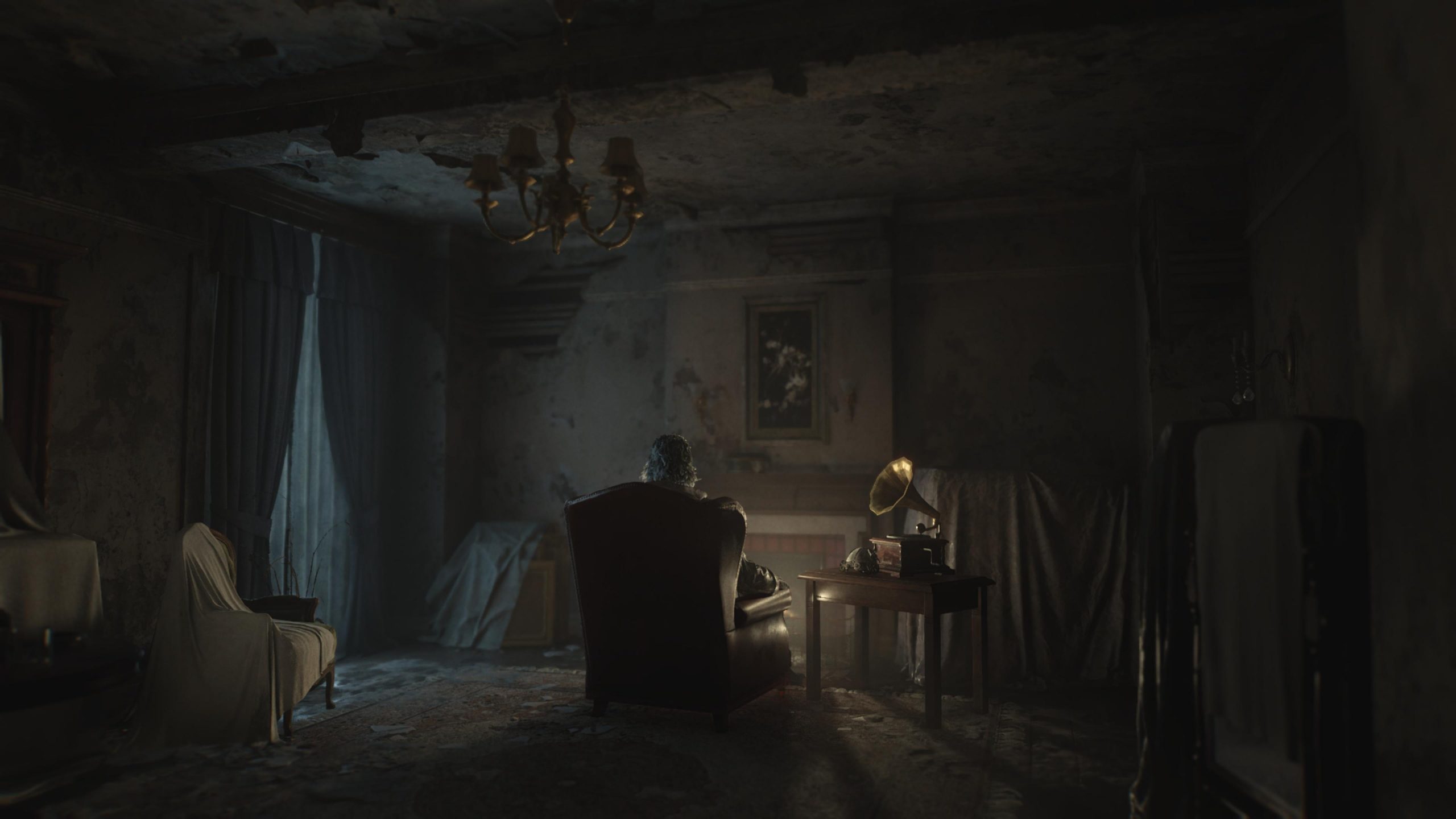
For the first-person end, we have newcomer Grace Ashcroft, daughter of Alyssa from the obscure but beloved Outbreak spinoffs. As an FBI analyst, she is sent to the Wrenwood hotel, the location of her mother’s death, and the current mystery surrounding the deaths of Raccoon City residents who had survived the events of the first two games. Grace’s gameplay is centered around the same kind of vulnerability seen in Resident Evil 7 and Village, featuring the same sneaking, hiding, and stealth-based enemies that made those games famous. She is always at threat to basic and special type enemies, and her sections are wrought with tension that befits the survival horror ethos. Grace gets the classic Resi treatment, with a few more limitations than we are used to. She never really builds as much as Ethan does in 7 and Village. She never picks up a shotgun or rocket launcher. Instead, she is armed with a pistol and borrows Leon’s Requiem revolver, which is practically an elephant gun with an extremely limited ammo count that can only be crafted when rare materials are found.
On the other hand is returning favourite Leon S. Kennedy, who brings his trademark sarcastic wit and roundhouse kicks that have made previous games so entertaining. His gameplay amps up the action and one-liners, providing a sharp contrast to the more tense sections with Grace. Leon arrives heavily armed, able to pick up dropped weapons to use against enemies, and has upgraded from Marvin’s knife to a hatchet for melee takedowns, parrying, and general combat.
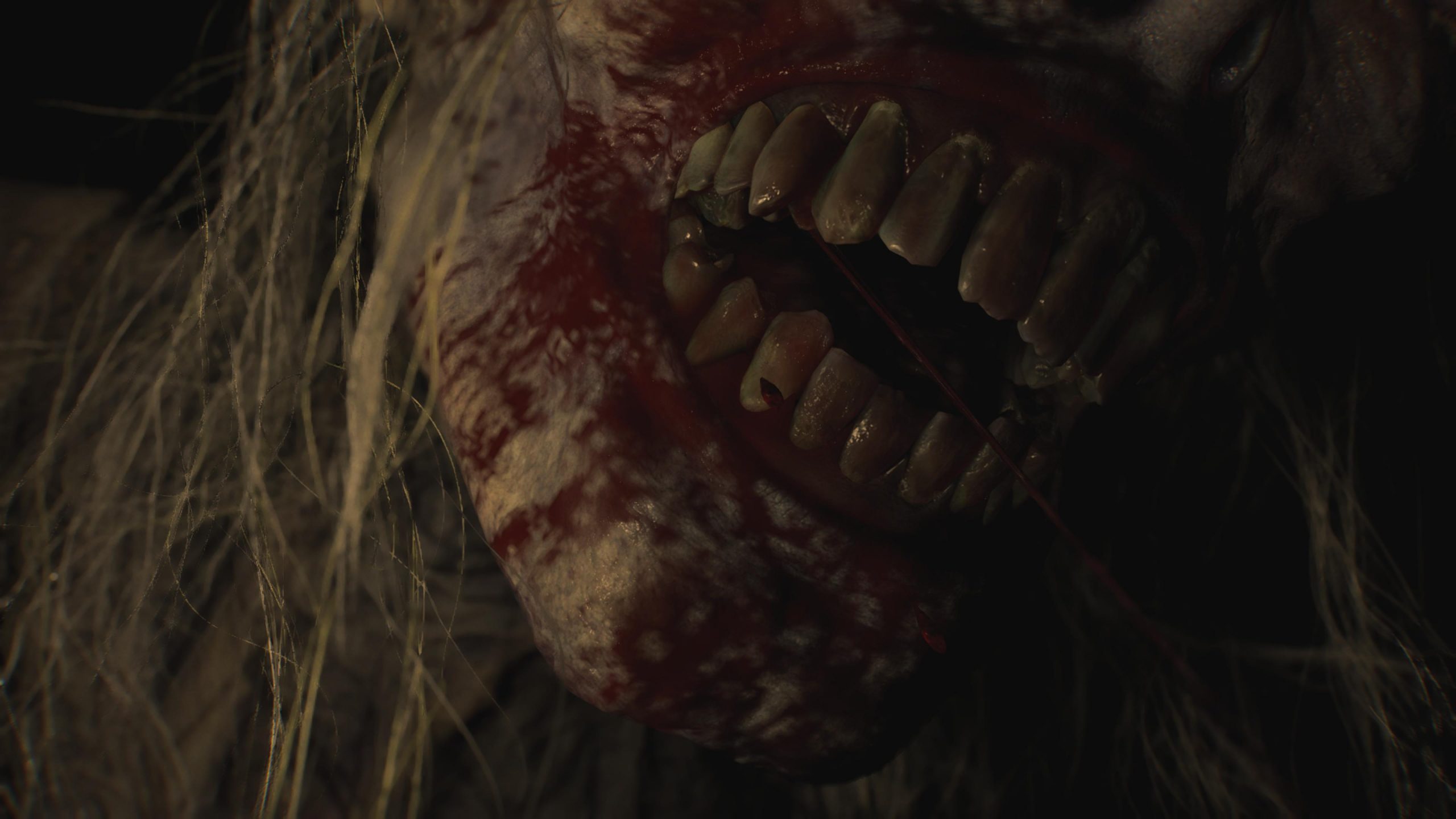
Leon’s sections tend to follow lengthy sections with Grace, providing a cathartic release that contrasts with the more traditional horror she represents. Anyone familiar with his gameplay from previous entries will feel right at home and feel like an unstoppable force compared to the more vulnerable Grace. That’s not to say that Leon is invulnerable. Instead, enemies pick up weaponry, and in an earlier section, this includes a chainsaw, which Leon is just as vulnerable to as he was when facing Dr. Salvador in Resident Evil 4, with a few wrong moves leading to a bloody game-over animation that sticks in the memory on just how graphic they are.
I know the game has been around for a short while now, and most people who want to play it have already done so. Yet it’s hard to put into words just how much this shouldn’t work but does. There are sections of the fanbase that prefer the slower build-up of the first-person horrors, while there are others that dote on the absurd, bombastic action of Resident Evil 4, 5, and i. Both are equally valid viewpoints, and both are well served with Requiem.
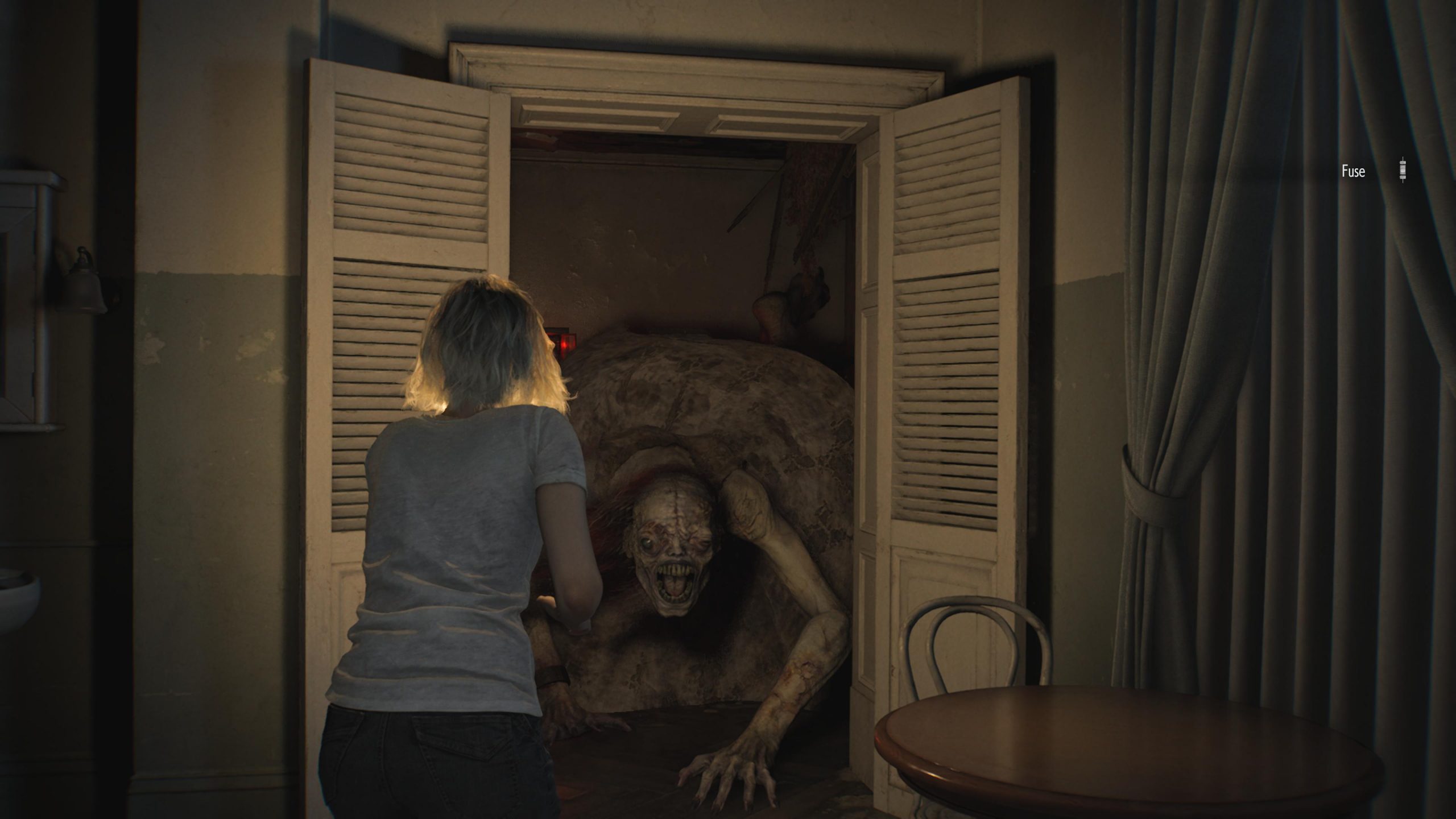
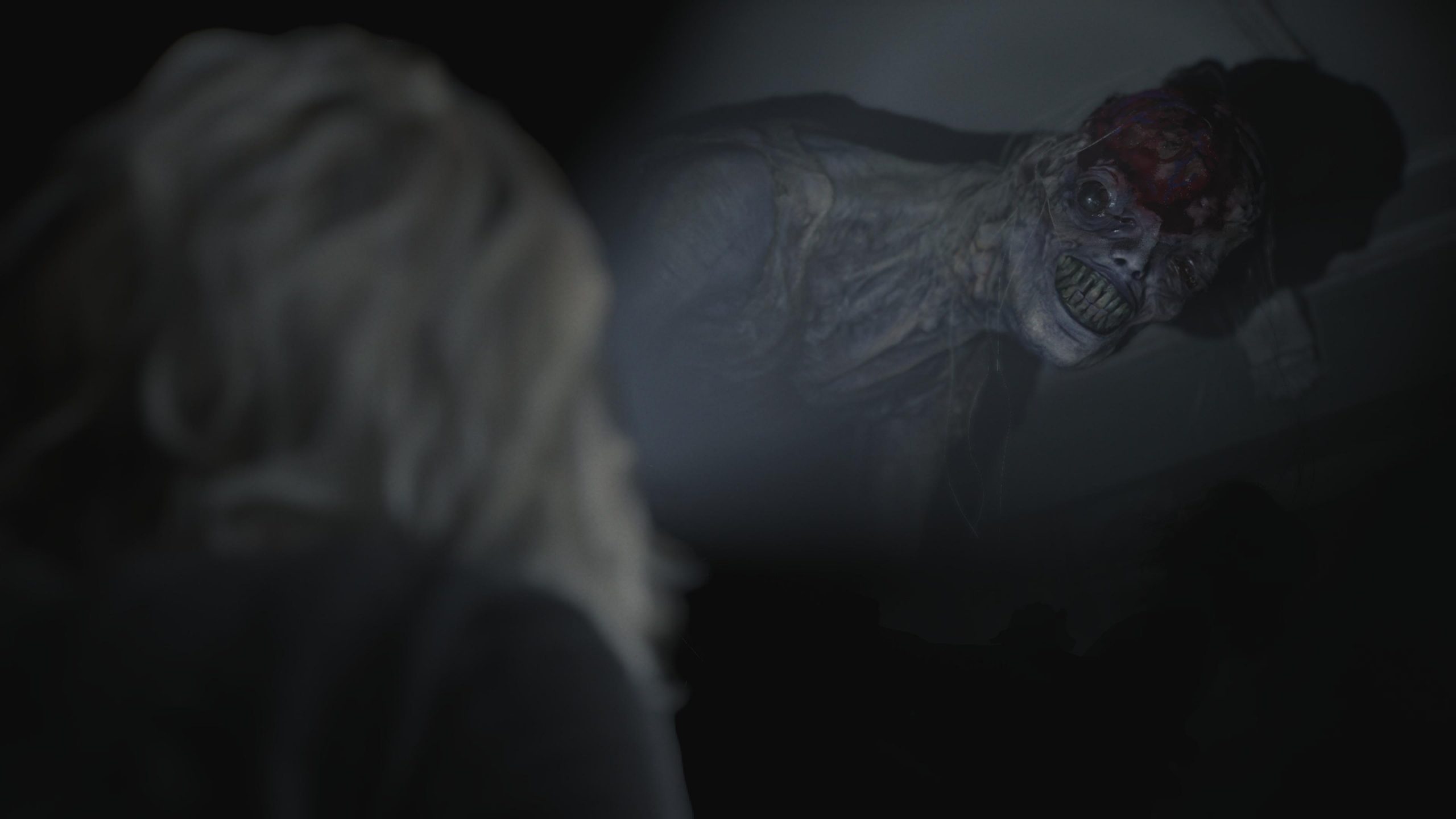
Key to this is the return of the classic zombie enemy type. I won’t go into spoilers as to how these have been resurrected, but it is great to have these back. Least of all, because they have been given an overhaul in the scare department. In Grace’s sections, they are a credible threat rather than simply fodder, with some requiring more than just a loaded pistol to overcome. Each zombie is recently turned, so their minds are still preoccupied with the personalities that defined their living counterparts, and with the core starting area being set in a chronic care centre, there are a number of characters that stand out.
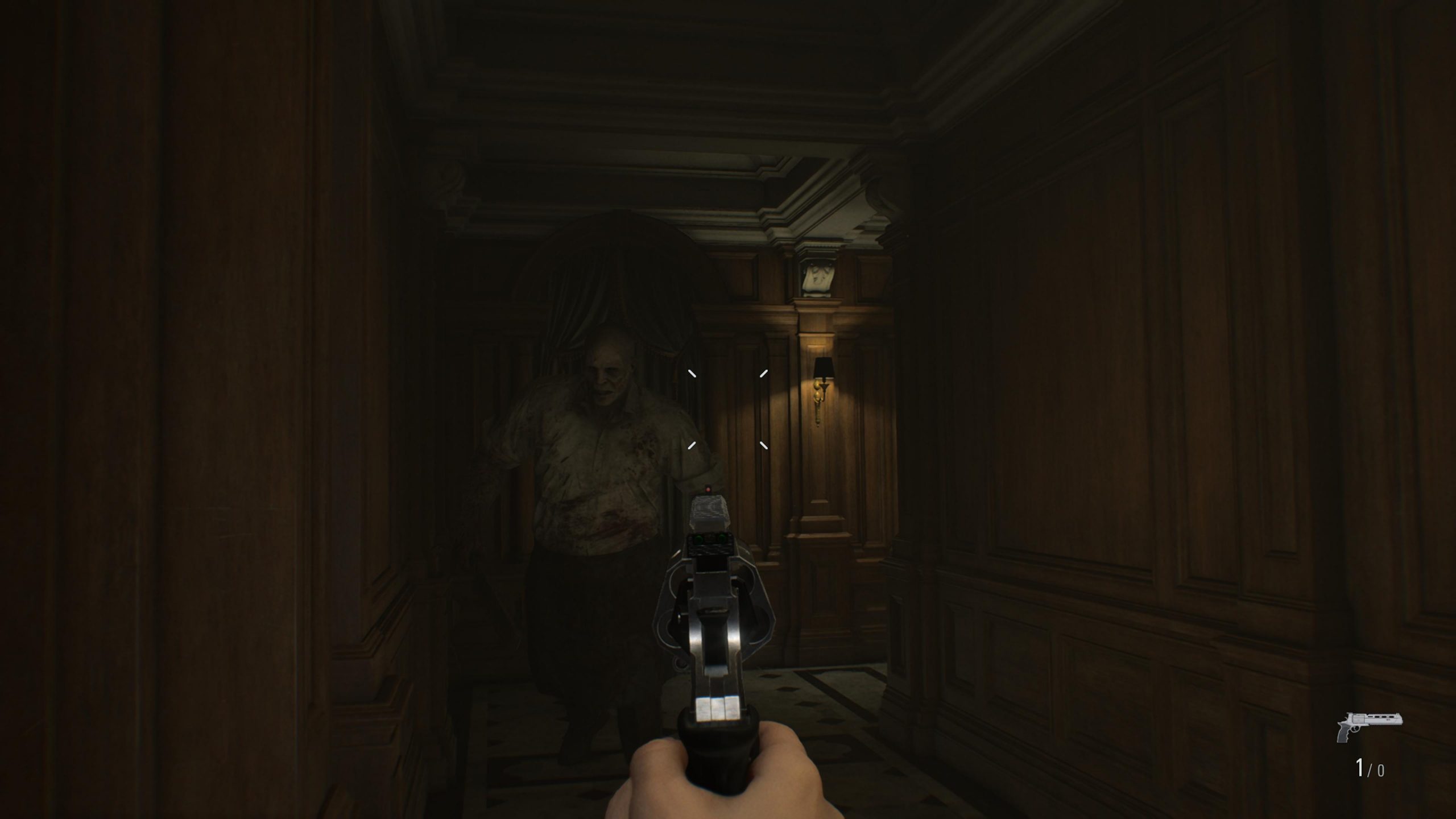
For example, you have the orderlies that roam the halls who are obsessed with the rules of the hospital, initially being more interested in switching lights off than munching on faces. For those, you can elect to engage with the limited ammunition you have, or you can switch a light on, sidestep the ghoul and move forward, knowing that that he will be there later, still padding away at the light switch, grumbling. Another are the singers that previously suffered from ‘main character syndrome’ who waft through the halls with an eery howl that Is best avoided with difficulty applied as they are more mobile than your average shambling corpse.
There are many more besides this, and there is, of course, the stalker type enemy that has been famous in recent years. These make less of an appearance than Jack Baker or Lady Dimitrescu, but they are no less important. The only drawback is that in this, they have become more predictable than previous efforts, with more set pathing than before. Which will be either a godsend for those who disliked the plodding, prison warden-type enemies or a disappointment for those who liked a constant pursuer like Mr. X.
Taking up at least four hours for the first playthrough, the care centre is a perfect Resident Evil locale. It ticks all the right boxes for a creepy, ornate backdrop that feels lived in but off, with Grace and Leon making direct references to the absurdity of using jewels to open doors, or oddly specific puzzle wheels that require moon, sun, and star emblems to open for story-progressing items. Just like the Spencer mansion or Raccoon City PD, the care center is a character, with a realistic floor plan and organic enemy placements that create set pieces in nearly every room.
A further cool aspect of this is the persistence of enemies and items that Grace leaves behind after a long while running and hiding. When Leon jumps in, all of the remaining zombies, ammunition, and other items can be hoovered up by him in what feels like an homage to the classic ‘zap’ system that was introduced in the original Resident Evil 2. This can have some interesting results depending on how you play. For me, I had managed to clear most of the hospital of deadheads when playing as Grace, so Leon had precious little to do when he was stomping through. Other than dealing with a couple of newer enemy types, Leon just blasted through unopposed, only meeting resistance in the areas that Grace couldn’t venture.
When the care centre subsides to the much-advertised Raccoon City section, the game shifts into a more Leon-centric mode, which makes Resident Evil Requiem feel like an entirely different game. Suddenly, you are not venturing through an enclosed space; you are wandering through a larger one, with encounters becoming more hectic with smarter and better-armed enemies than you had seen before.
I won’t say much more than that about Raccoon City, as it would be a disservice to how Requiem handles this source material that could be considered sacred to the series at this point. For me, the return to Raccoon City was excellent. This could have easily turned the game into a ‘greatest hits’ moment. For some, this may feel the case, but to me, it is so well done that it leaned more into the nostalgia with a purpose end of the spectrum, as opposed to the blatant legacy exploitation that you would see in Ghostbusters: Afterlife, as an example. Resident Evil Requiem respects the classic games by utilizing the location in a meaningful way, even if the story in this section is not the strongest.
On that, the story has a similar approach to most games in the series. By that, it is not the strongest element. There is a decent mystery at the beginning, with some decent twists and turns along the way, but the game does not explain itself to a suitable degree, so everyone will catch the full narrative by the end. This is evidenced by the confusion in the comments sections online right now. There are some who think a character is motivated by one thing, despite the story pointing in another direction. This is nobody’s fault, as I believe that the story is not clear enough to come up with a clear conclusion that everyone can fall into. It’s not bad enough to dock a point, and I enjoyed it overall once I had the full picture, but I can totally see why there is this confusion.
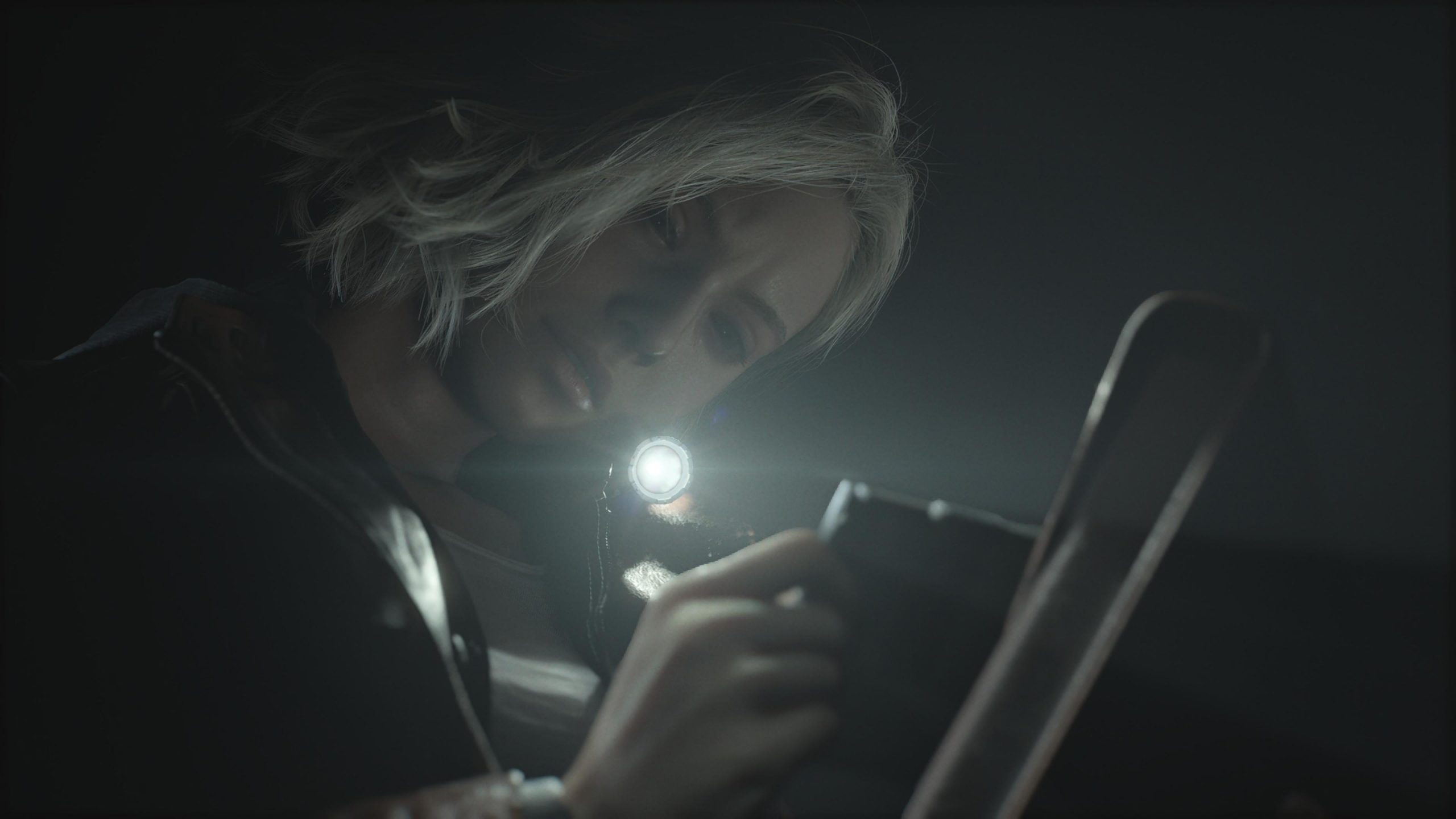
Where the game really shines is that clear focus, love, and attention being placed on the kind of things that get overlooked by games and game teams of a similar level. This is seen in the smallest animations, from reloading a gun with a torch, characters would place the torch between their cheek and shoulder to keep it steady, realistically. Audible cries of zombies can be heard through doors and hidden through thicker walls, while Grace and Leon react realistically to these sounds while standing idle, feeling organic in the space and situation. Thanks in no small part to the stellar voice and motion capture acting from both Angela Sant’Albano and Nick Apostolides, who bring their A-game to Requiem.
Usually, main series games will have an additional mode, like Mercenaries or Remake 3’s multiplayer, but Requiem does not. This may be disappointing to some, as this means that you just have the main game to play through currently. However, what results is ultimate focus on that experience, with Capcom using this focus to deliver the best game they could, and it really does show. My first playthrough was twelve hours, and while I gathered most of the files, dotted the i’s and crossed the t’s as much as possible, I still felt the pull to jump back in and play again. Such is the appeal of a well-crafted experience that never stretched a section too far or pushed its luck with too much of the same.
+ Genuinely effective in its scares
+ Excellent sound and visual design
+ Doesn’t outstay its welcome
+ Raccoon City is a treat to revisit
- The story has some head-scratching moments